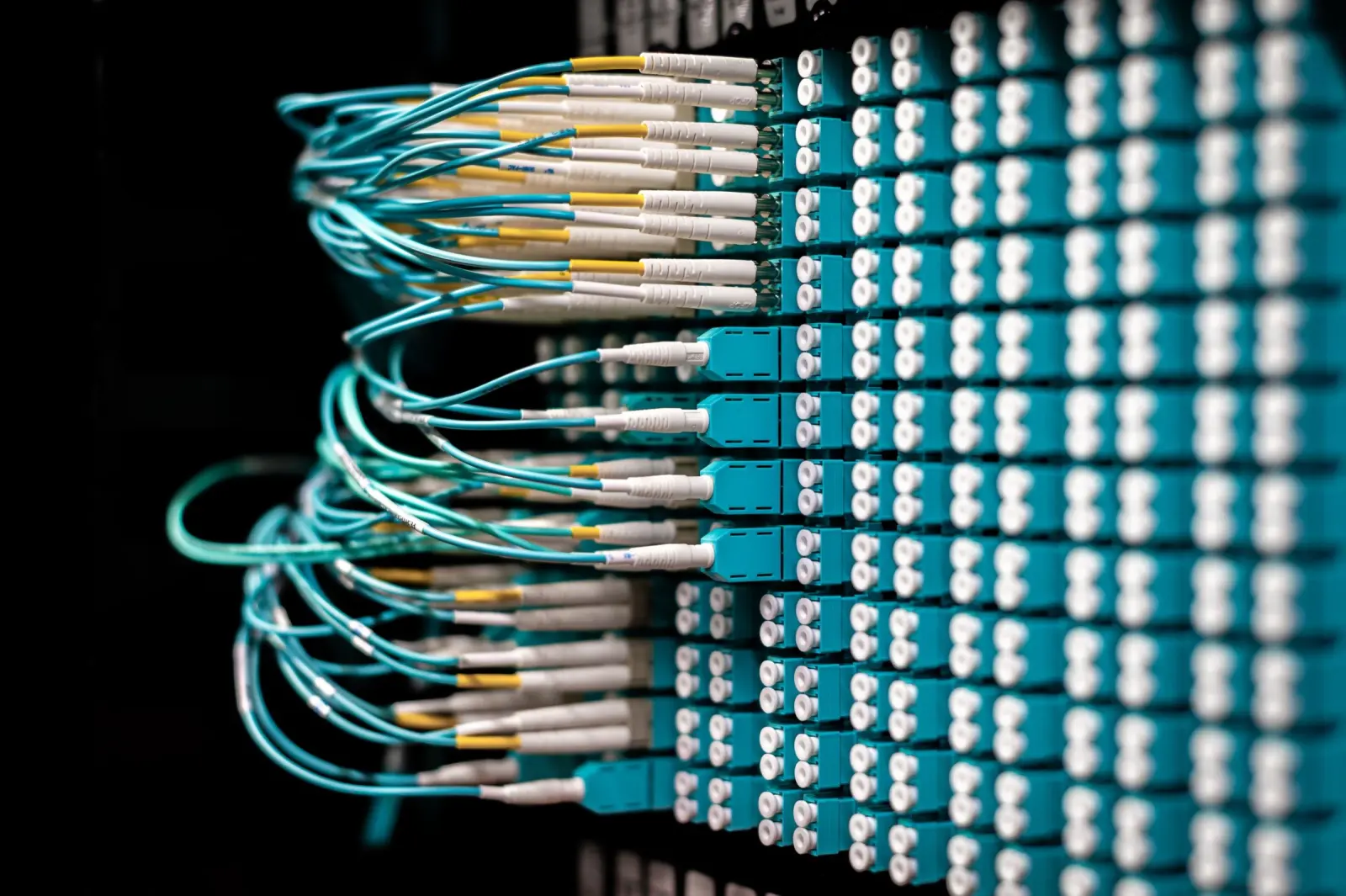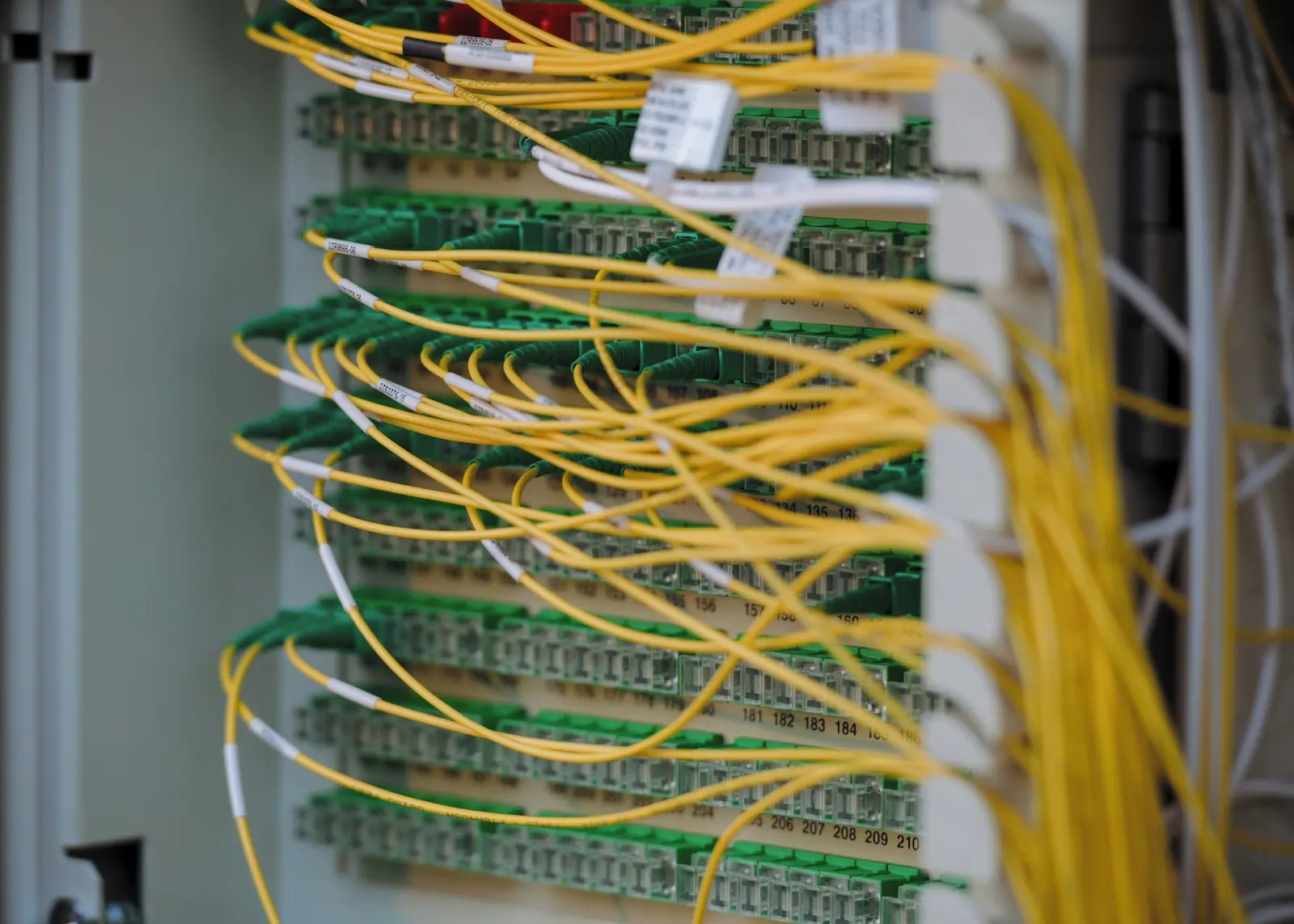
On 15 June 2025, Syria's Ministry of Communications and Information Technology launched Barq Net, a program to bring fiber straight to homes and offices (FTTP) in every part of the country, according to SANA.
Barq Net targets and the open-access model
The ministry set a target of connecting 85% of homes and institutions within two years, with work in several areas due to finish before the end of 2025. Where fiber cannot reach, in destroyed or remote areas, fixed wireless access (FWA) fills the gap.
Barq Net is built on an open-access model known as VULA (Virtual Unbundled Local Access):
- infrastructure investors build the network and sell traffic wholesale;
- internet service providers buy that capacity and serve end users.
Financing is a public-private partnership with local and international companies, and civil works for cable installation must be subcontracted to national companies through fair competition. Once SilkLink, the national backbone, is complete, Barq Net will connect to it. Proposals were due by 15 July 2025. More than a year later, the Syrian outlet Iqtisadi (20 October 2026) described Barq Net as the first of the ministry's major projects to move into implementation.
What it means for infrastructure
Barq Net is the last mile of the national plan: SilkLink carries capacity between cities, and FTTH carries it to the door. Separating who builds the network from who sells the service makes build quality the deciding factor: well-planned routes, clean splices and documented tests on every line. We follow the program closely because it is close to the core of the fiber-optic work we do.